For many Pakistani businesses, profit is not lost on the shelf - it is lost in udhaar that is never recovered. A well-kept customer ledger is the foundation of faster collection. These nine practical steps will help you recover payments sooner without damaging relationships.
1. Know The Number Every Morning
You cannot chase what you cannot see. Make it a habit to open the list of outstanding balances each morning, sorted from largest to oldest. Ten minutes of attention a day beats a panicked recovery drive at month-end.
2. Age Your Receivables
Group balances by how old they are: current, 1-30 days late, 31-60, and 60+. Older debts become harder to collect. Focus first on the largest balances in the 31-60 group - they are still recoverable and getting worse.
3. Set Credit Limits
Decide, per customer, how much credit you will extend and for how long. When a customer reaches the limit, the next order requires a payment. This single rule prevents most bad debts.
4. Issue Itemised Bills Every Time
Disputes slow payments. A clear, numbered, itemised bill with the date and your note leaves little room for "I never took that". Digital invoices also make it easy to resend a copy.
5. Send Statements, Not Reminders
A statement listing every bill and payment with the final balance feels professional and neutral. It is harder to dispute than a verbal reminder and easier to forward to the customer's accountant.
6. Follow A Simple Reminder Routine
| When | Action |
|---|---|
| 2 days before due date | Friendly message with the amount |
| On due date | Reminder with the invoice attached |
| 7 days late | Phone call from the owner or sales manager |
| 15 days late | Statement and a firm date for payment |
| 30 days late | Hold new credit orders until settled |
7. Make Paying Easy
Share your bank account, JazzCash or Easypaisa details on every invoice. The easier it is to pay, the sooner you are paid.
8. Record Payments Immediately
A payment received but not recorded causes embarrassing reminders to customers who have already paid. Record each payment as soon as it arrives so balances stay accurate and trust stays intact.
9. Review Monthly
Once a month, review your top debtors, your oldest balances and the customers who always pay late. Adjust credit terms accordingly. Reliable payers can be rewarded; chronic late payers can be moved to cash terms.
What Good Software Changes
- Every bill and payment updates the balance instantly.
- Statements print or share in one click.
- Balances can be filtered by customer, date and amount.
- Staff roles control who can edit or delete entries.
Frequently Asked Questions
How can I recover pending payments from customers?
Know balances daily, age them, set credit limits, send itemised statements, follow a reminder routine and make payment easy by sharing bank and mobile wallet details on every invoice.
What is a customer ledger?
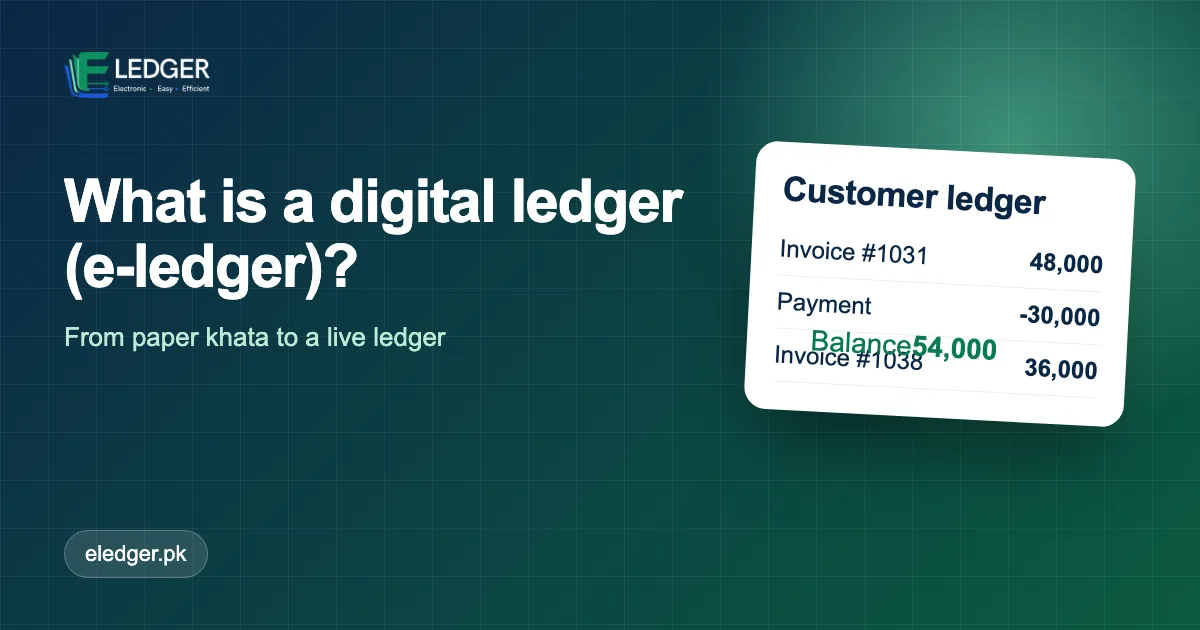
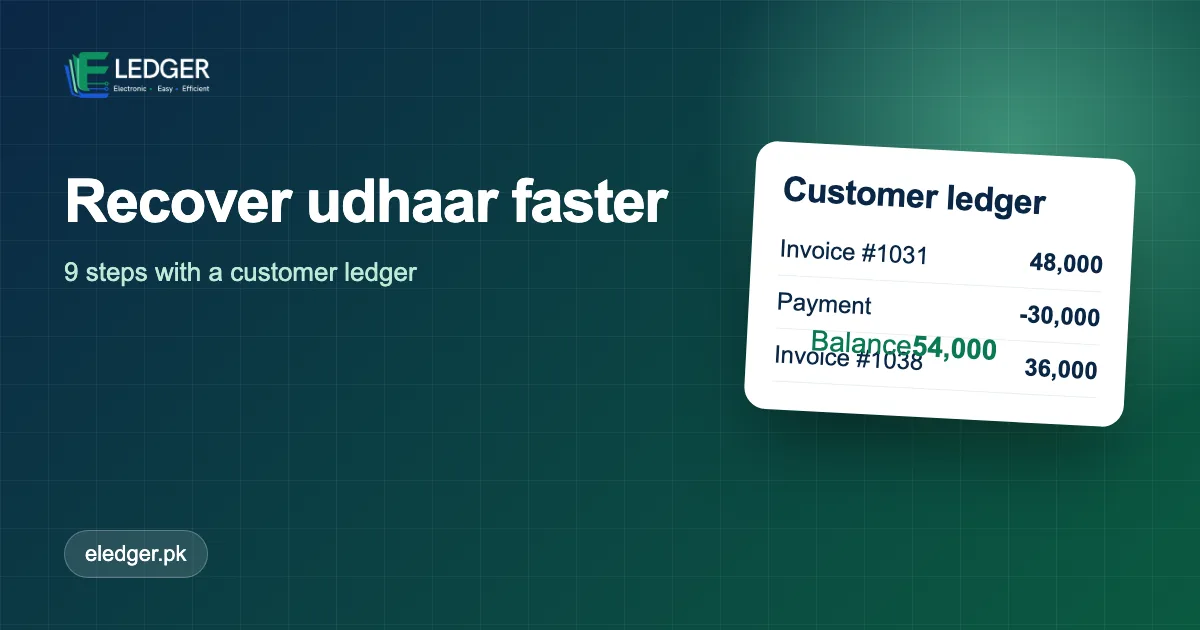
A customer ledger lists every bill issued to a customer and every payment received, ending in the balance they still owe.